Interview of Pivot Turns to Freedom
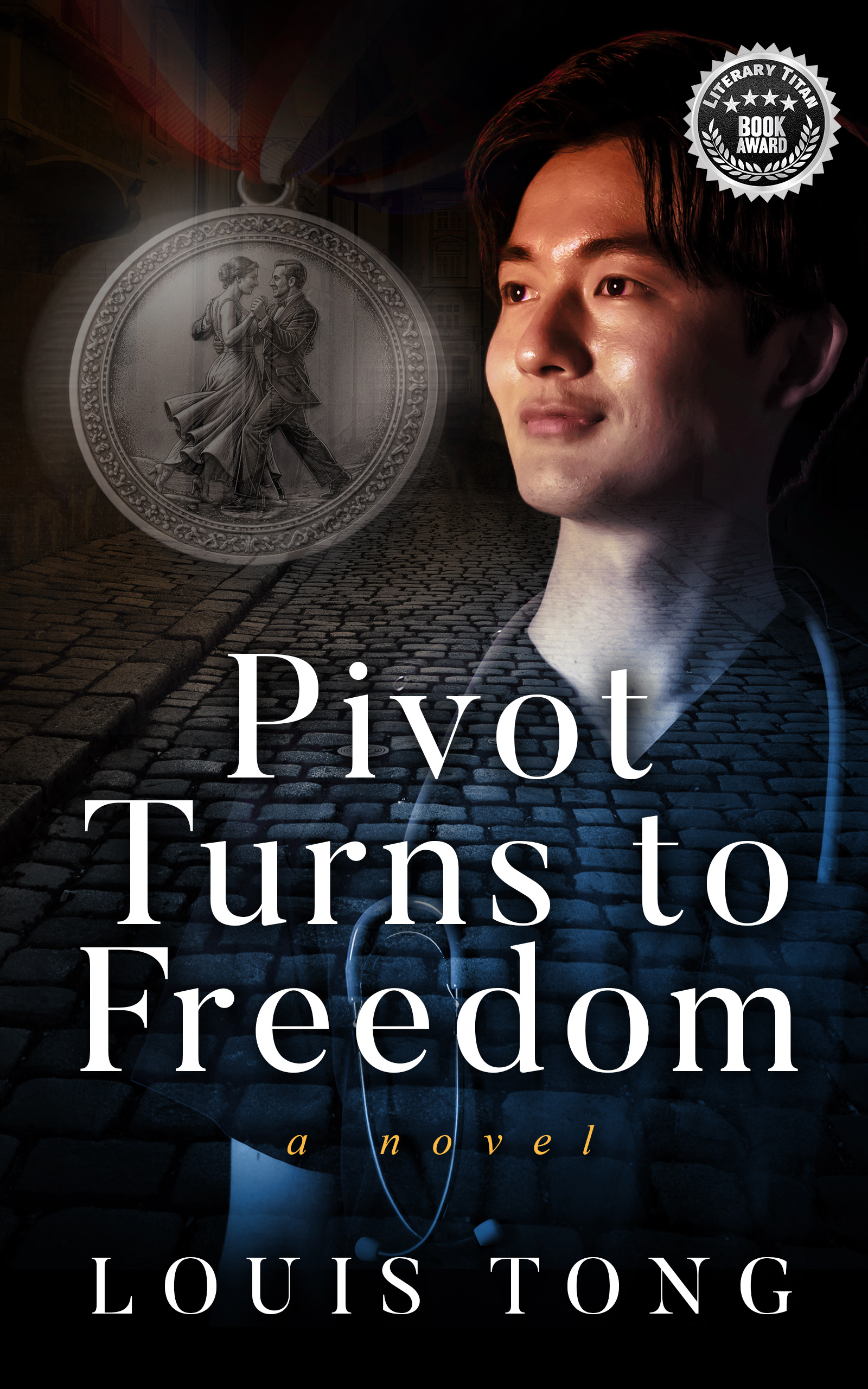
Pivot Turns to Freedom follows a Singaporean ophthalmology trainee who builds a life in 1990s England beyond the expectations of his family and profession. Where did the idea behind this novel come from?
We live in a world where reputations are made through public recognition. In the type of Asian society I grow up in (Singapore), risk taking is frowned upon. People have stopped making decisions for themselves because it’s easier to listen to their families or comply with their perceived societal expectations.
This gave me the idea of a young protagonist who is pursuing a traditional, professional career, often regarded as a secure and respectable path, but tries to prove to his family and the world that he can be more than what they expect him to be. Choices in life can be crippling, and picking a fig from a tree can mean forgoing the others. Someone trying to avoid making his choice can be regarded as unmoored or brave, and either way, is fascinating to me.
What first drew you to combine the worlds of ophthalmology and competitive ballroom dancing in the same novel?
Putting two unlikely settings together forms a compelling fictional world. Ophthalmology is the most competitive discipline within medical/surgical training (I am an ophthalmologist so I’ve been through it). Competitive ballroom dancing, at least in the nineties, is the most elite, showy sport I know about. The champions at Blackpool hardly change from year to year until they retire. They have more than technical skill or endurance, and newcomers have no hope of reaching the peak at this high level of the sport.
At the same time, there is no team sport that demands more mutual understanding and collaborative spirit than Ballroom Dancesport. These are qualities that are furthest from my protagonist because he is defined by one-upmanship. Thus, his journey is bound to be lonely and intriguing, and finding a suitable dance partner would also be the hardest thing he has ever tried to do (especially in the pre-internet era). By putting him into an unlikely confluence of these worlds, he is definitely going to feel the kind of stress that makes a gripping story.
Leonard often misjudges the people around him before gaining greater self-awareness. Why was it important for his growth to come through those mistakes?
Leonard misjudges people because he is a poor communicator and is too self-obsessed. Many people in the real world are asking ‘what is it for me if I do this with you’? This self- centered view is even held by world leaders. With every setback, Leonard just assumes that he isn't trying hard enough, and this is an attitude so common among people of our generation. In the novel, this continues until the climax, but his arc is foreshadowed by little incidents that occur in his relationships with others. These increase his realization by small steps, but it is only at the “dark night of the soul” moment, that he realizes that true victory comes from working with others, not beating or controlling them.
If Leonard could offer one piece of advice to his younger self, what do you think it would be?
Hey, fellow, winning is more than the medals.